Agricultural Land News
The Rise of Crop Zoning: A Sustainable Future for Agriculture in 2025
Crop zoning, the strategic allocation of specific crops to particular geographic areas, is gaining prominence in 2025 as a way to enhance productivity, ensure food security, and promote environmental sustainability. This article explores the importance of crop zoning and the technologies that are making it possible.
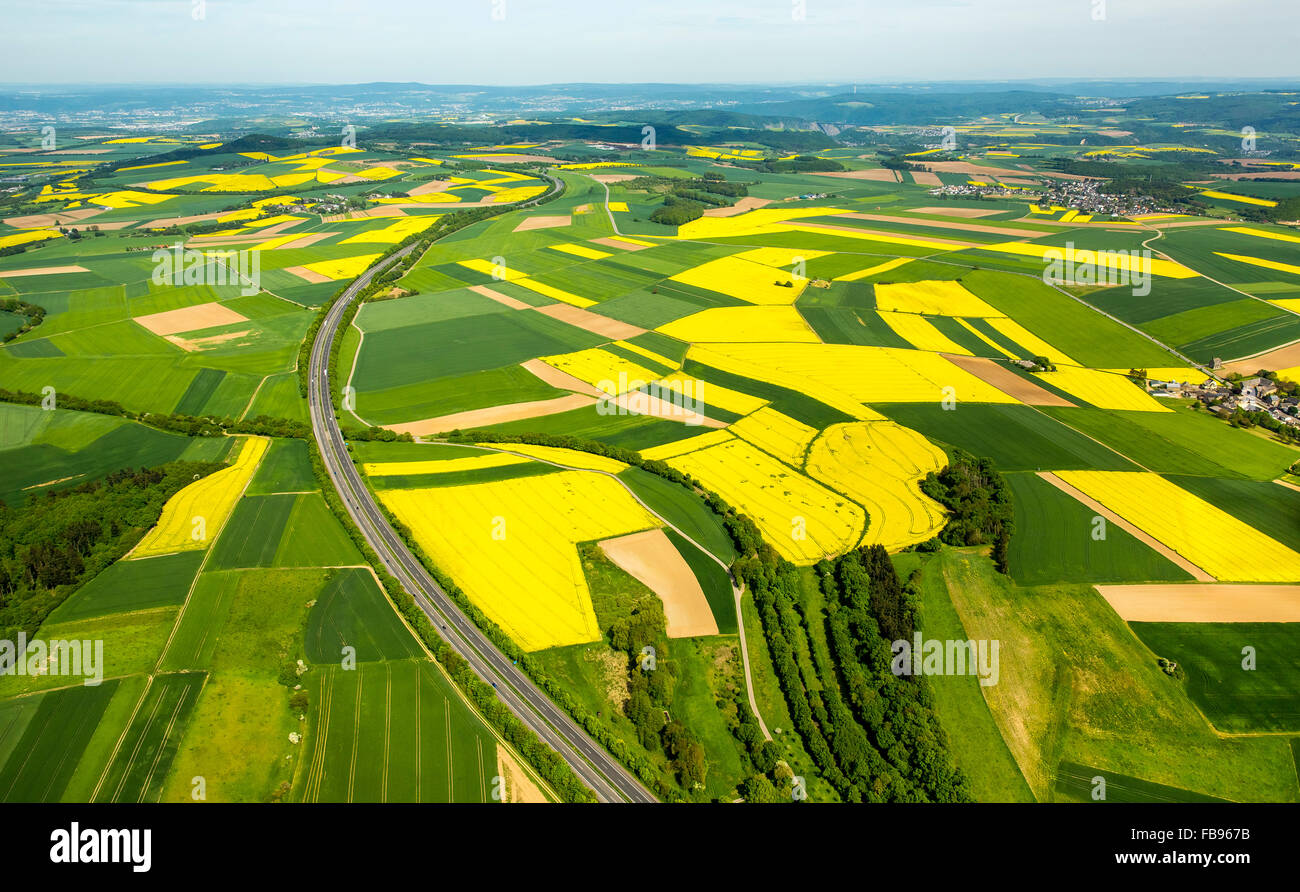
Crop zoning is a strategic allocation of specific crops to particular geographic areas based on soil type, climate conditions, water availability, and socioeconomic factors. In 2025, this targeted practice is crucial for enhancing productivity, ensuring food security, and promoting environmental sustainability amidst climate change. By matching crops to optimal zones, it maximizes yields and minimizes resource inputs like water, fertilizers, and pesticides, reducing costs and environmental impact.
Technological advancements are enhancing the accuracy and efficiency of crop zoning. Technologies like multispectral satellites, AI and machine learning platforms, blockchain for traceability, and real-time climate monitoring are being used to select crops best suited to local environments. These technologies enable a data-driven approach that combines soil, weather, and local condition analysis for precision zoning.
The benefits of crop zoning are numerous. It leads to resource efficiency, reduced risk of crop failures, stabilized farmer incomes, improved market planning, and enhanced climate adaptation and resilience. However, there are challenges to widespread adoption, including fragmented landholdings, limited access to technology for farmers, lack of training, and institutional barriers.
Despite the challenges, crop zoning is a necessity in modern agriculture, especially as climate change alters temperature and precipitation patterns. As we move further into 2025, crop zoning will become central to sustainable food security and climate adaptation at local, national, and global scales.