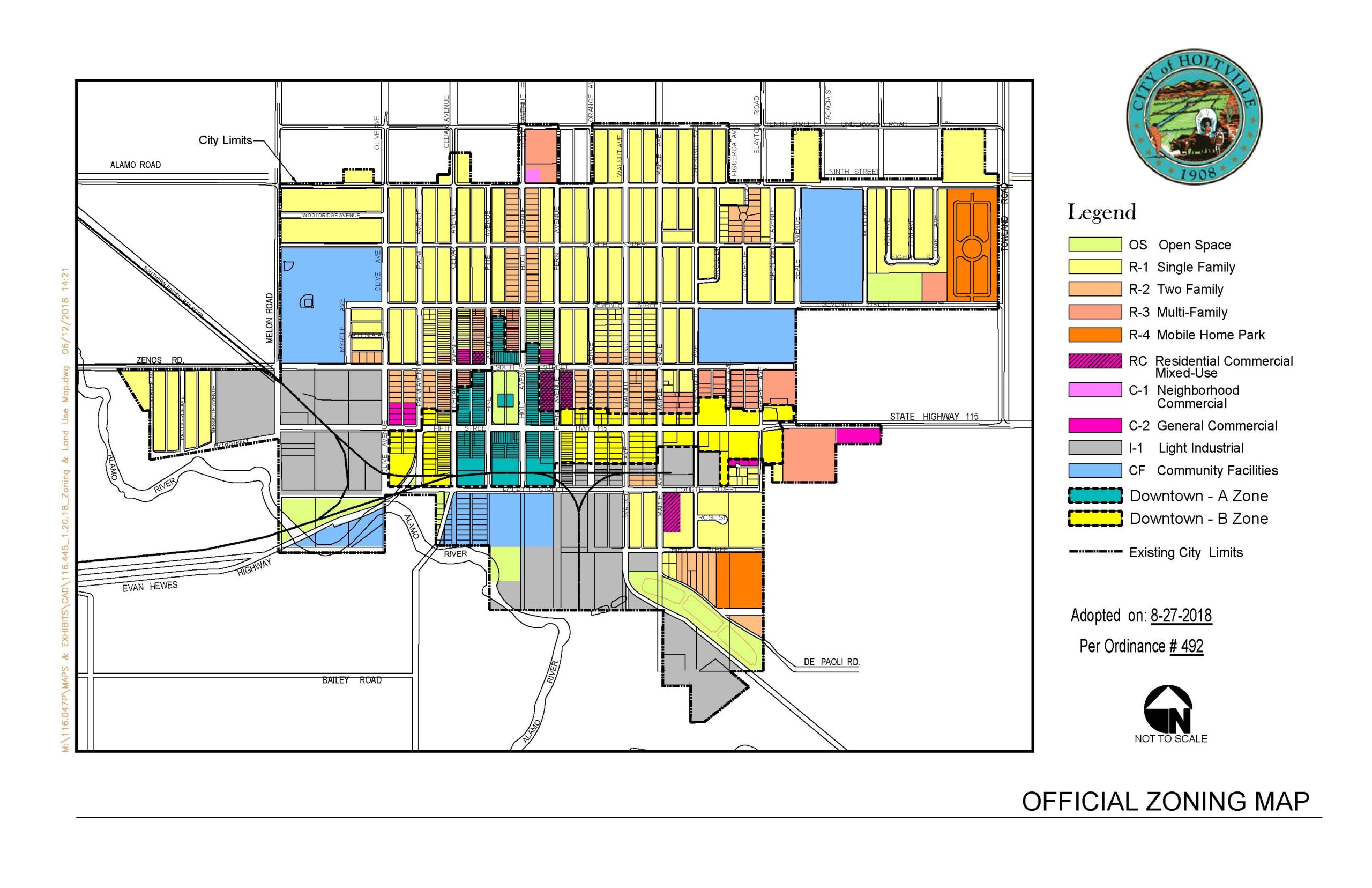
Zoning Changes
Zoning Changes in 2026: What Landowners Need to Know
Zoning regulations are constantly evolving, and 2026 is no exception. This article provides an overview of the latest trends in zoning changes and what they mean for landowners, from agricultural to residential and commercial properties.
Agricultural zoning continues to be a powerful and versatile zoning type in 2025, offering flexibility for building, farming, or homesteading, potentially lower property taxes, and suitability for off-grid living. However, landowners must be aware of specific local regulations, minimum acreage requirements, dwelling size restrictions, setback requirements, and the need for various permits. Changing zoning from residential to agricultural is possible but can be complex, often requiring consistency with a local master land use plan and potentially facing challenges like 'spot zoning' accusations.
In addition to traditional agricultural zoning, 'crop zoning' is gaining prominence in 2025 as a data-driven approach to optimize agricultural productivity and sustainability by matching crops to specific geographic areas based on soil, climate, and water availability. This targeted practice is crucial for enhancing productivity, ensuring food security, and promoting environmental sustainability amidst climate change.
On the residential front, there is a growing trend towards upzoning, which allows for denser housing development. This is seen as a way to address the housing affordability crisis in many cities. However, upzoning can also face opposition from existing residents who are concerned about increased traffic, strained infrastructure, and changes to their neighborhood's character.
For commercial properties, zoning changes are often driven by shifts in the retail landscape. With the rise of e-commerce, many local governments are looking for ways to repurpose underutilized retail space. This can include rezoning for mixed-use development, which combines residential, commercial, and office space in a single project. As always, landowners should stay informed about proposed zoning changes in their area and participate in the public process to ensure their interests are represented.